
NEWS
To change language scroll down to bottom / Um die Sprache zu ändern, scrollen Sie nach unten
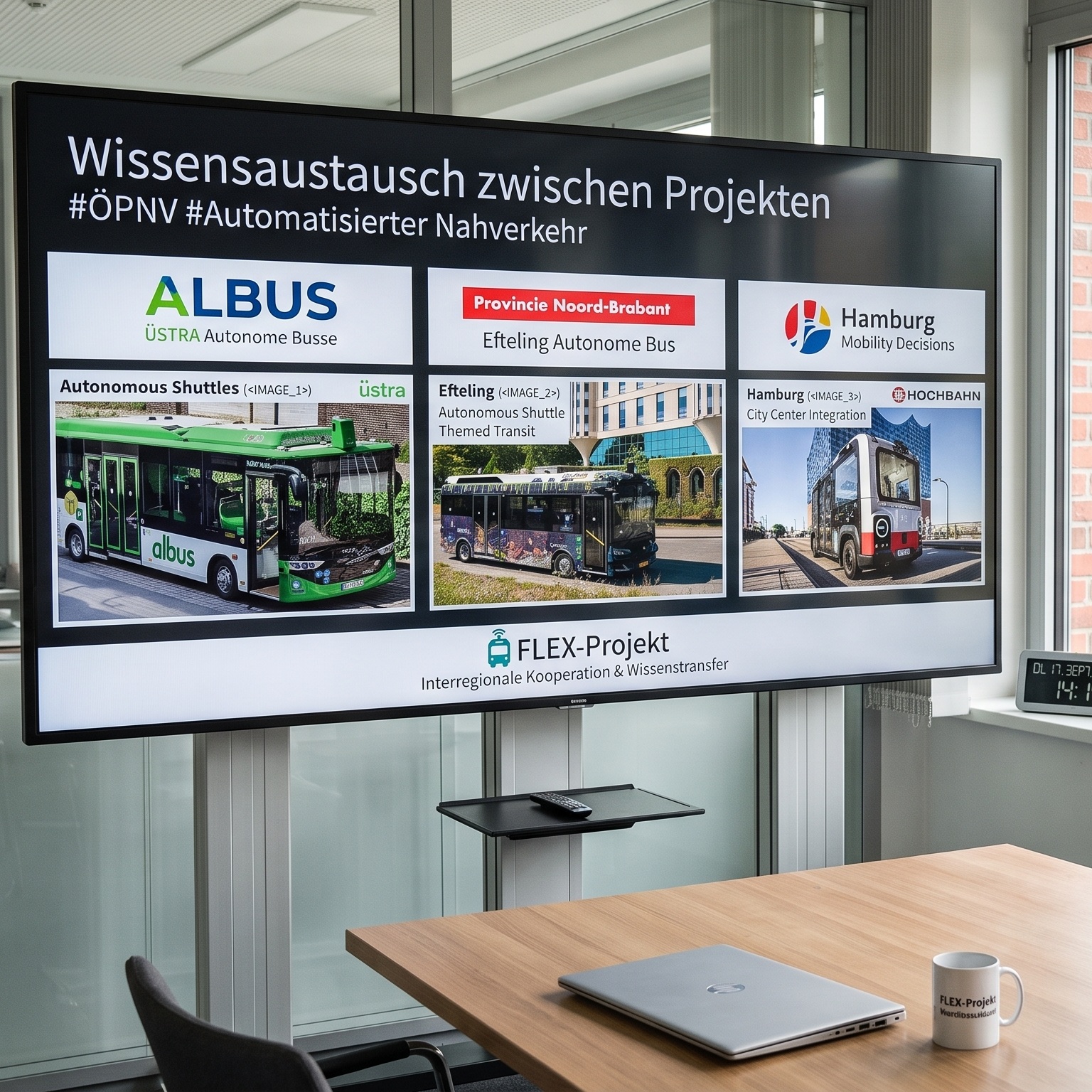
Knowledge sharing between projects works very well
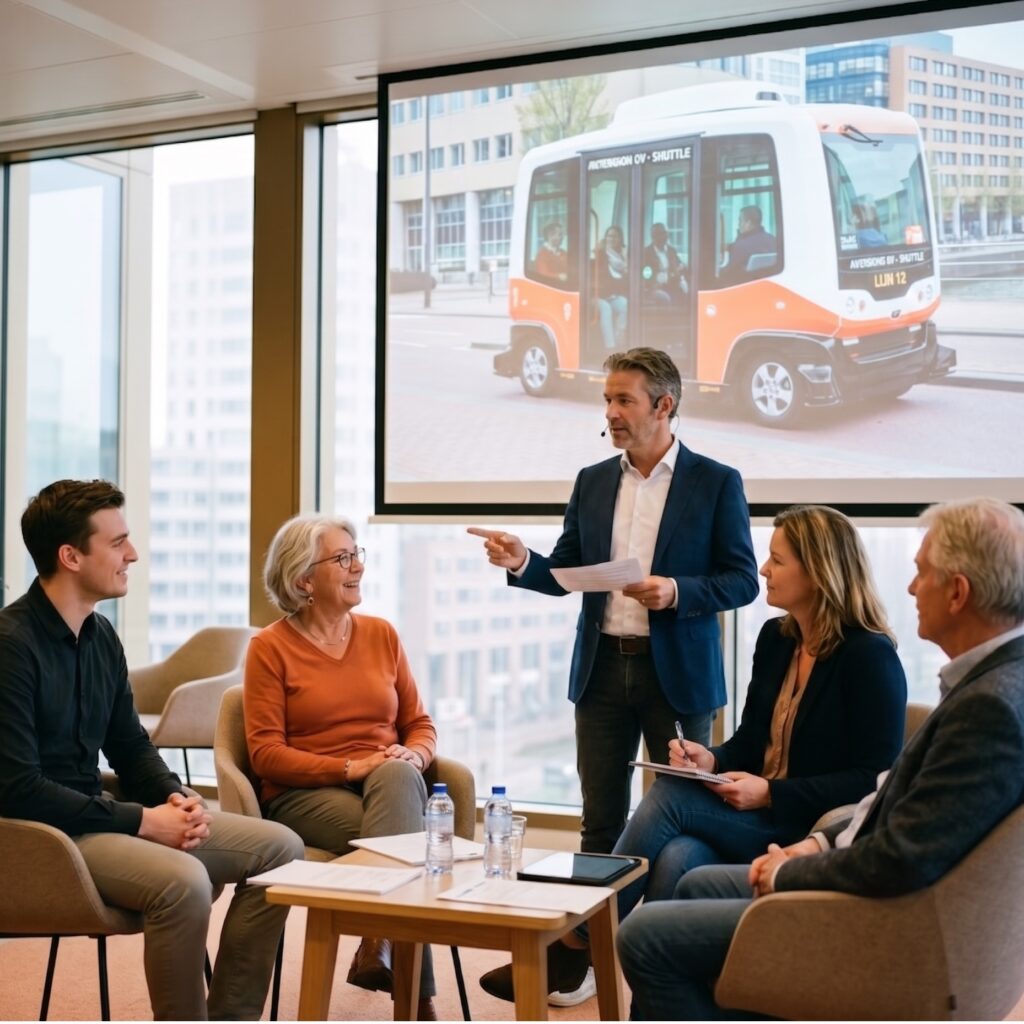
During a well-attended online high-level seminar on September 17, organized by project partner Landkreis Vechta, stakeholders from three other projects shared their vision on the opportunities and challenges of automated public transport (PT).
Participants came from Germany, the Netherlands, and France.
Following a brief introduction from Vechta and lead partner V-Tron B.V., three experts from projects in Germany and the Netherlands gave an insightful presentation of their initiatives. The seminar was chaired by Lea Rocholl from project management agency Bax Innovation.
Read more Here
The speakers were, in order:
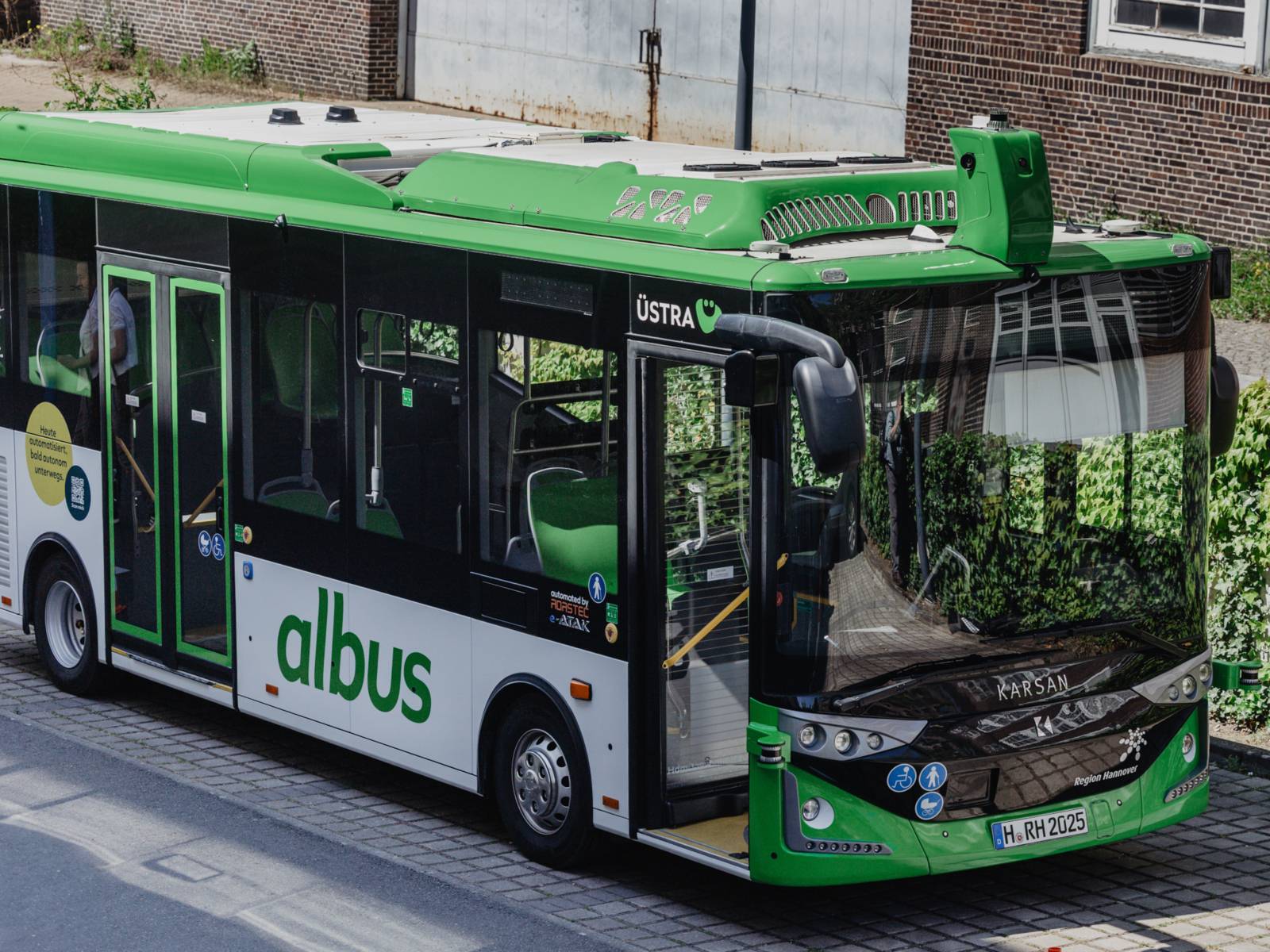
- Lukas Arndt from Steuern lenken bauen Projektsteuerung Region Hannover GmbH on the ALBUS project in the Hannover region, where public transport provider ÜSTRA Hannoversche Verkehrsbetriebe AG deploys autonomous buses;
- Lars Meijer from the Province of Noord-Brabant on various projects in the province, including the autonomous bus at the Efteling theme park;
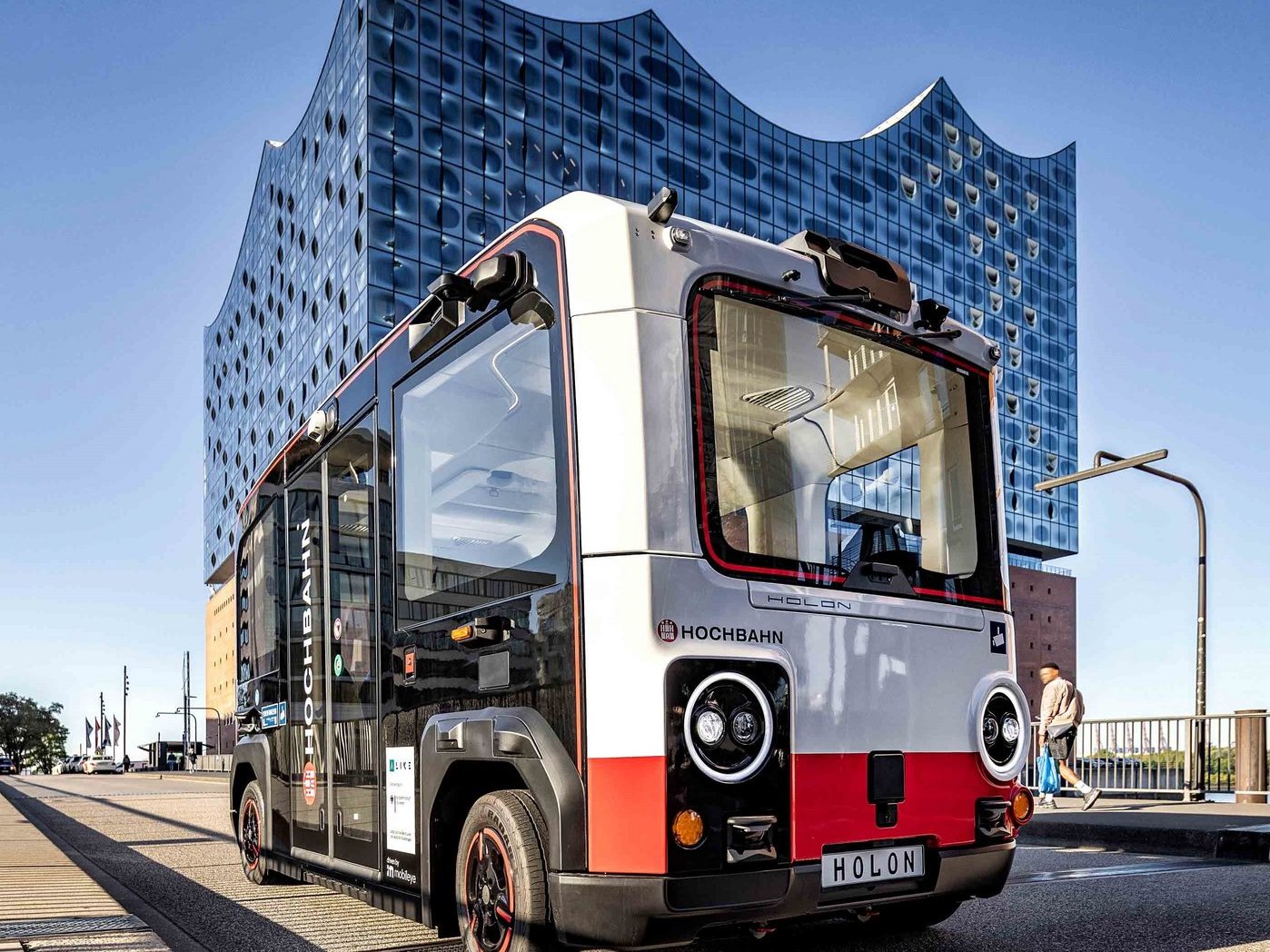
- Dr. Lea Decker from New Mobility Solutions Hamburg GmbH on the public transport solutions chosen by the Hamburg region.
Many projects showed significant overlap, and the speakers made it clear that there are numerous similar projects across Europe that could also benefit greatly from a coordination structure.
The presentations were followed by a Q&A session in which the exchange of experiences, visions, challenges, and solutions demonstrated the importance of this type of cross-pollination.
For our FLEX project, this was certainly an activity where 1 + 1 = 3.
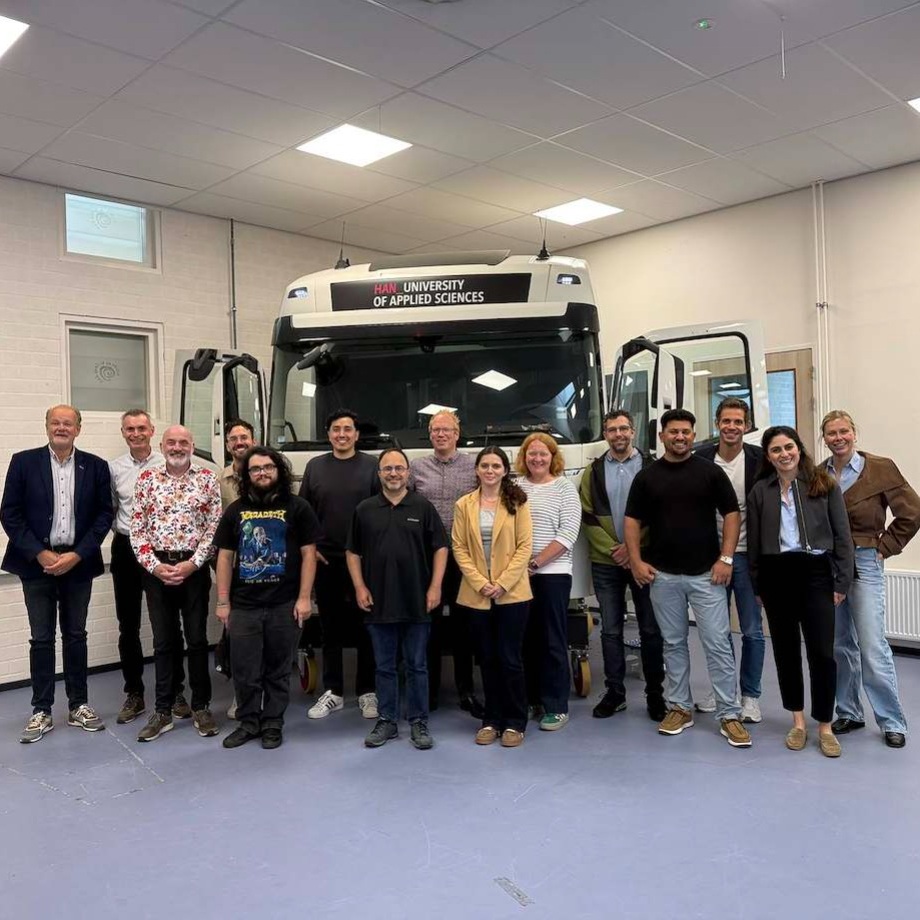
FLEX Partner Meeting focuses on close cooperation
During the FLEX Interreg project partner meeting held on September 10 at HAN in Arnhem, a review of a successful first year was conducted. The meeting highlighted the strong cooperation, equal participation, and efficient team performance among all six partner organizations.
Key successes and progress:
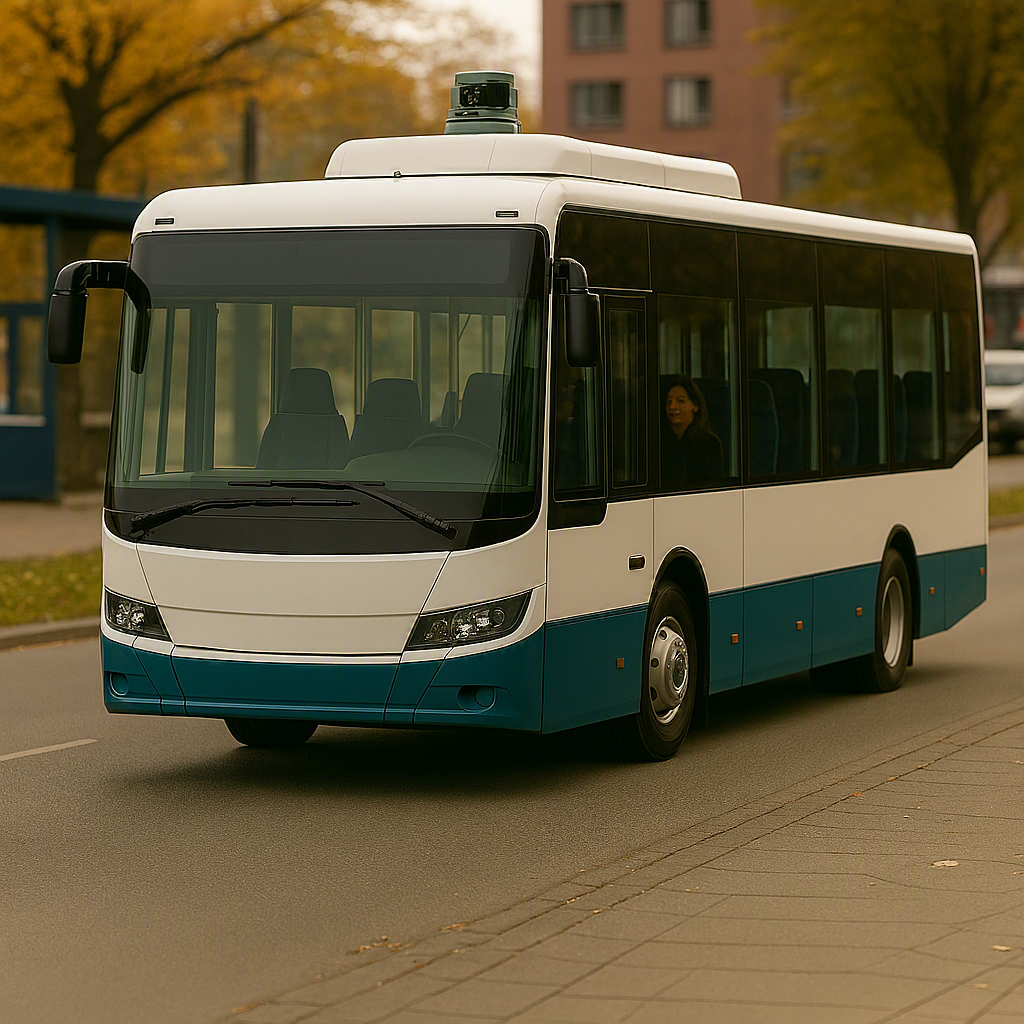
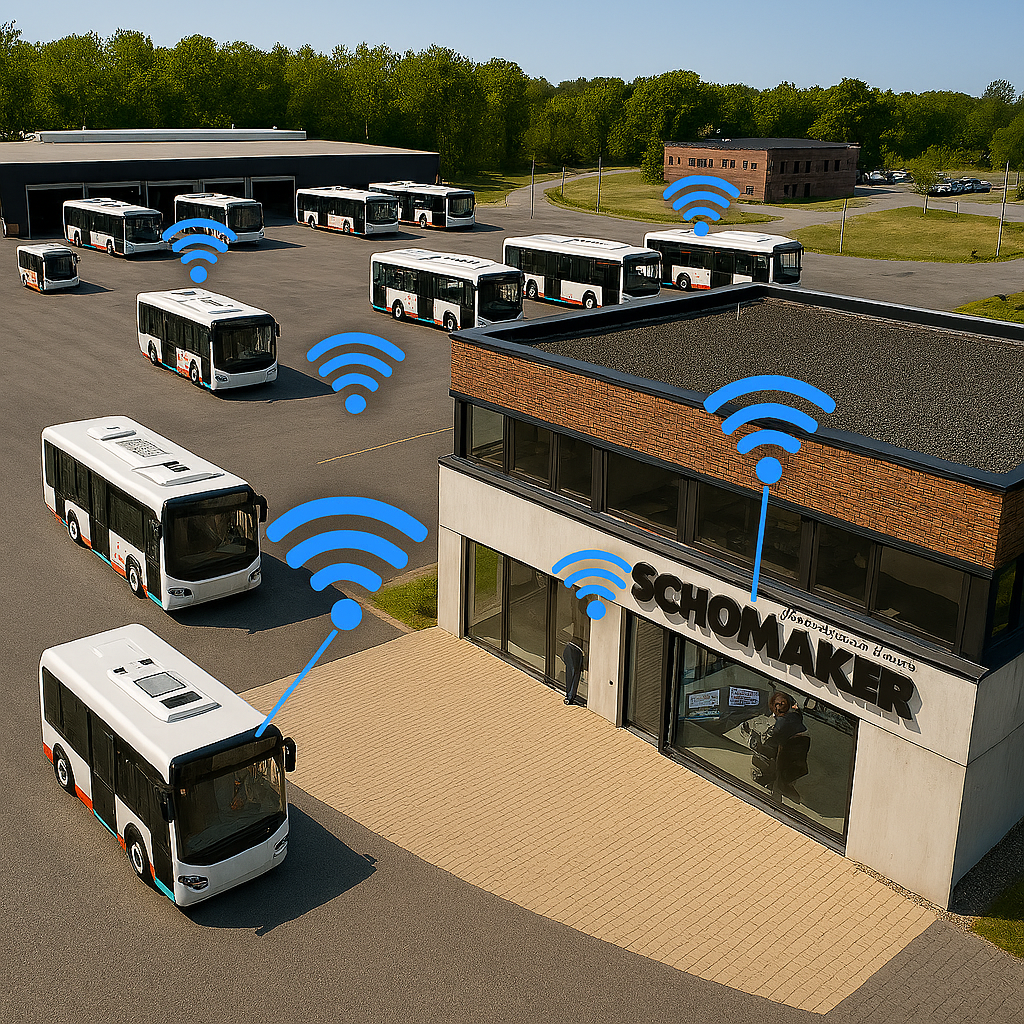
- Vehicle development: The automated bus has been delivered to V-tron for conversion to drive-by-wire and teleoperation. For the pilot in Vechta, the drive-by-wire system (steering, braking, acceleration) has already been fully completed. Cooperation with bus operator Schomaker Reisen is proceeding very smoothly.
Read more Here
- Innovation & Digital Twin: HAN has realized an impressive VR Digital Twin model in less than a month. This includes detailed simulation environments and working pilots for Groningen, Vechta, and Helmond.
- Passenger Acceptance & Research: Research into passenger acceptance is progressing excellently, with successful focus groups and completed guidelines. Among other findings, it was shown that passengers have confidence in human supervision from a distance (remote supervisors).
- Knowledge Sharing: The project has already generated positive visibility through presentations in Koblenz and the publication of a mobility article.
- Ecosystem: FLEX is actively strengthening its strategic position by seeking alignment and cooperation with numerous relevant initiatives at the Dutch, German, and European levels.
Despite practical challenges such as administrative uncertainties and shortages in the hardware supply chain, the project remains well on track, and concrete steps are being taken towards the rollout of automated public transport.
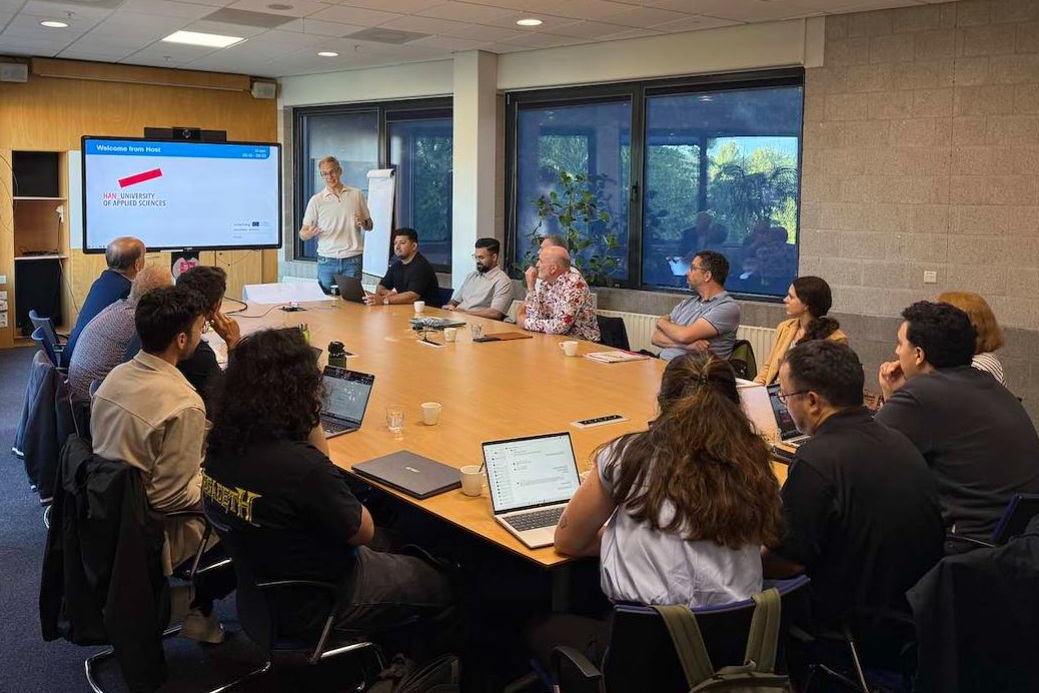
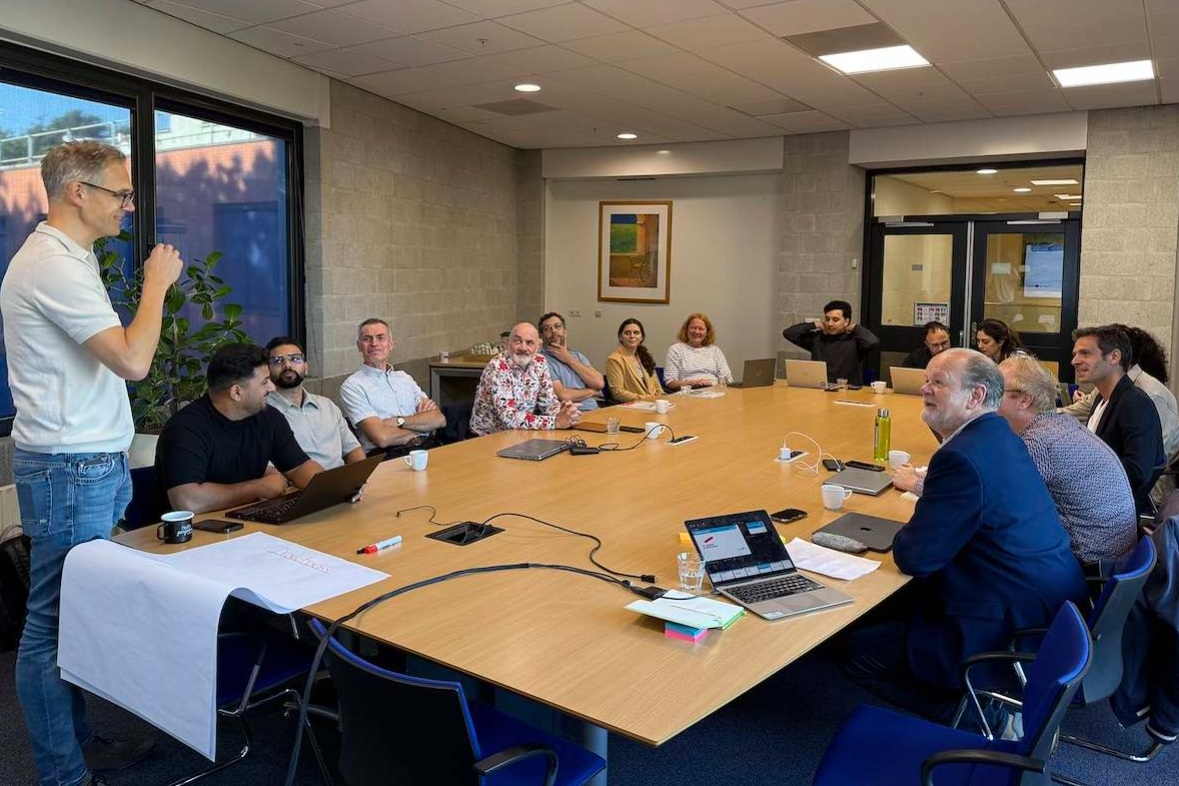

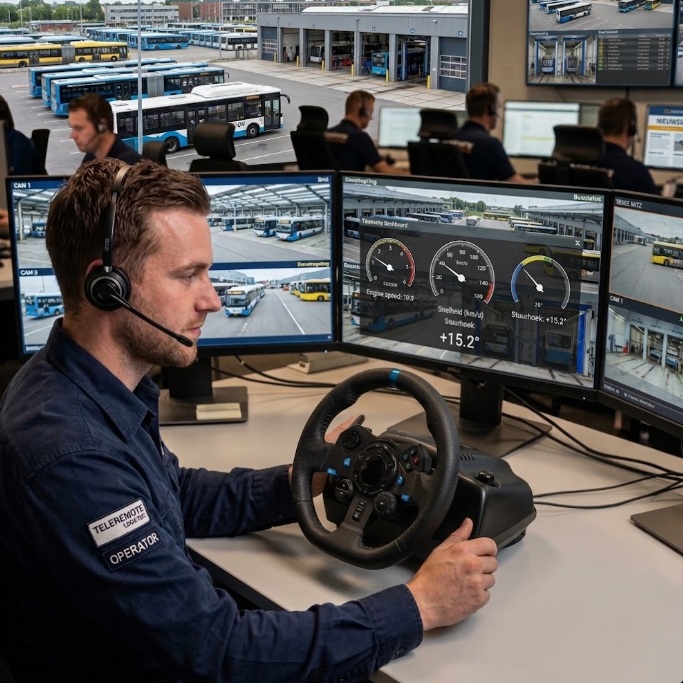
How can public transport remain future-proof in the face of rising costs and staff shortages?
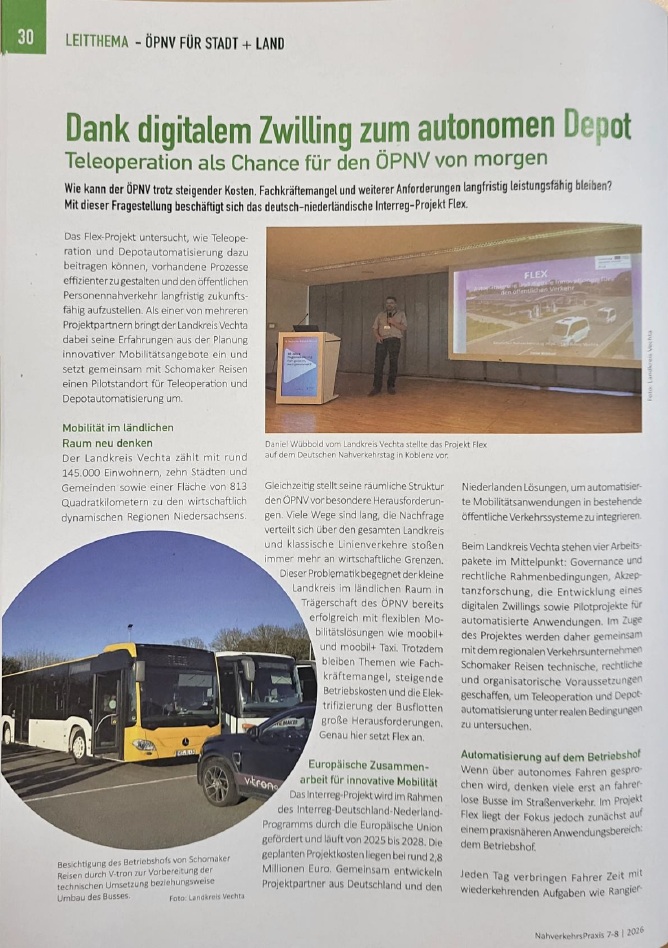
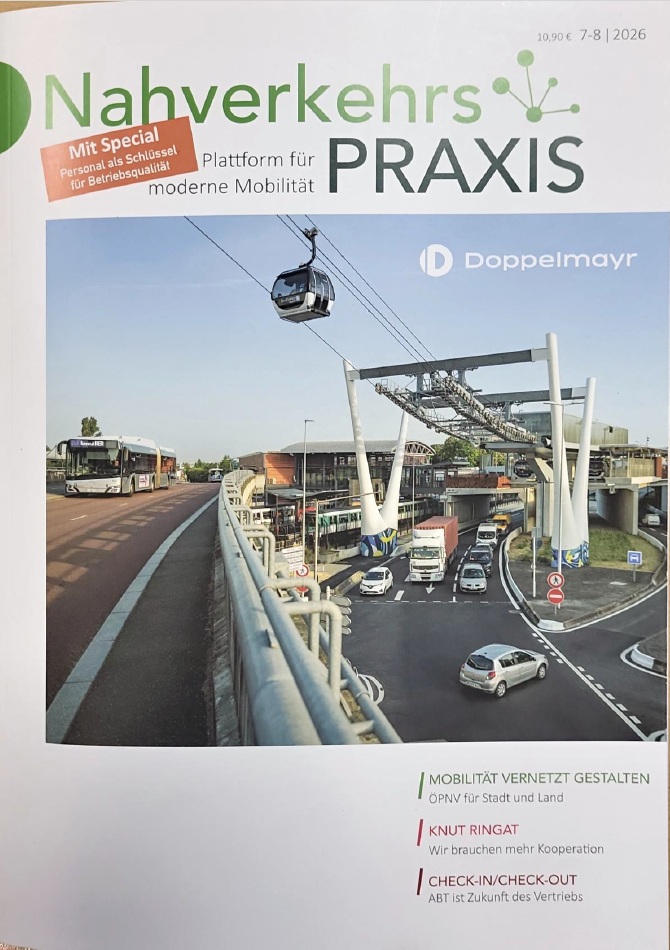
Following the presentation by Daniel Wubbold of Landkreis Vechta during the Deutscher Nahverkehrstag at the end of June 2026, our project partner was invited by the trade journal NahverkehrsPraxis to submit an article. Larisa Syla-Rrapi, a colleague of Daniel, therefore provided the attached overview of our Interreg project, which offers a good summary of the process to date.
The German-Dutch FLEX project investigates how teleoperation and depot automation (such as autonomous maneuvering and charging) can take over routine tasks from bus drivers. Using a ‘digital twin’ and pilots in the Vechta region, work is being done to achieve more efficient and smarter regional transport.
Interested in the initial results and insights? View the full article in the attachment!
Read more Here

Participation of public transport users in focus groups to improve interviews
Within the FLEX project – flexible, accessible and affordable public transport using tele-operation and CCAM – in-depth research is also being conducted into the opinions and expectations of future users.
The Private University of Applied Sciences (PHWT) in Vechta is taking the lead in this work package.
Focus groups are planned in Vechta (July 21, ’26), Helmond (July 22, ’26), and Groningen (August 25, ’26) to gain a clear picture of public transport users’ current knowledge regarding automated transport.
Read more Here
Small groups of users – approximately 5 participants – are asked about their vision, experiences, and expectations in a very open discussion.
In Vechta (D), PHWT researchers conduct the discussions, while in Helmond and Groningen, due to the language barrier, an employee from partner V-tron acts as the moderator.
Based on the results of these focus groups, PHWT will develop interviews and surveys to question a much larger group of (potential) public transport users.
The knowledge gained from the focus groups ensures appropriate language use and questions that build upon existing knowledge and experience.


FLEX project accelerates with international cooperation and concrete milestones
The European FLEX project is taking significant steps towards the implementation of automated transport. During the conference call on June 17, 2026, partners from various regions discussed progress, cooperation, and upcoming activities.
A key development is the exploration of so-called cross-border testbeds, a joint testing initiative between Belgium, Luxembourg, the Netherlands, North Rhine-Westphalia, and Flanders. Additionally, mention was made of a potential large-scale project from Brussels with a budget of €100 million.
Read more Here
According to project coordinator Wim Vossebelt of V-tron, this supports the consortium’s ambition: “We see that cross-border cooperation is essential to test and implement autonomous mobility at scale.”
Within the various partner regions (Groningen, Helmond, Vechta), work on implementation is in full swing. In Groningen, the tender for a technical supplier is nearing completion, with publication before the summer and implementation starting in November. The Groningen team explains: “With this planning, we are taking an important step from preparation to actual realization.”
Helmond is also working on a tender and will soon start passenger research. “We don’t just want to develop the technology, but above all understand what users need and expect,” says a project leader from Helmond.
In Vechta, alongside the technical implementation at Schomaker Reisen, the focus is on organization and visibility. Vechta is taking the lead in organizing a high-level seminar. The consortium has asked Vechta to take the lead in the tender for project management.
Research activities by PHWT show that trust and safety are crucial for the acceptance of autonomous mobility, alongside classic factors such as cost and reliability. One of the researchers puts it this way: “Autonomy alone is not enough. Passengers expect the same quality and certainty as with traditional transport.”
Innovation is also driven by the HAN, where a detailed 3D digital twin has been developed using drones and open-source software. This digital environment enables analysis, simulation, and even teleoperation of vehicles. HAN: “The digital twin allows us to test scenarios safely and efficiently before they are rolled out in practice.”
The coming months will be characterized by further cooperation and execution. With a partner meeting in September and the next conference call on July 16, the project remains firmly on track to make a significant contribution to the future of sustainable, automated mobility in Europe.
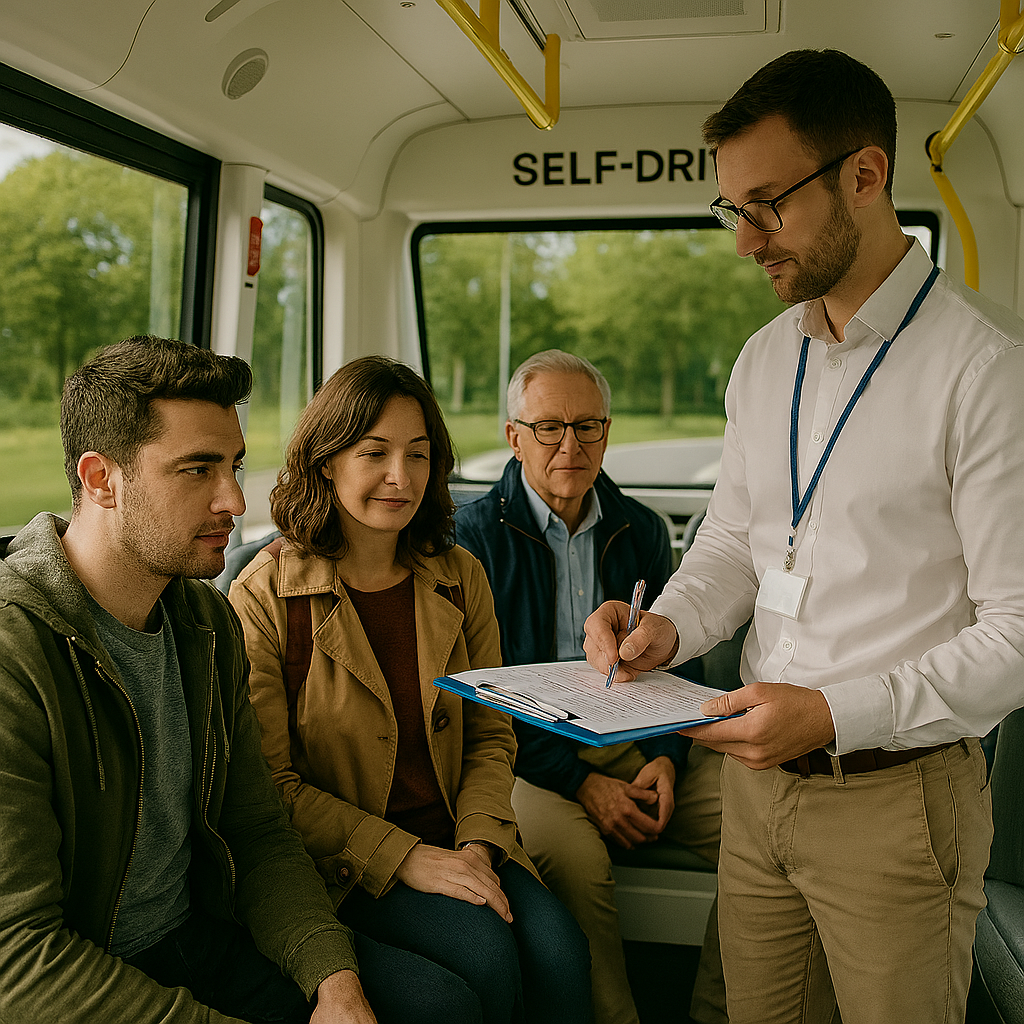
Passenger acceptance crucial for the future of automated public transport
The deployment of automated public transport (PT) offers opportunities for a more flexible, accessible, and affordable mobility system. However, its success depends heavily on one factor: passenger acceptance. This is according to a recent research report prepared within the international FLEX project.
The report, conducted by PHWT (Private Hochschule für Wirtschaft und Technik) and written by researchers Lennart Schilling and Daniel Westmattelmann, maps out the current state of knowledge regarding passenger acceptance of automated transport.
Read more Here
The research is part of the Interreg VI A project FLEX (Promoting Flexible, Accessible, and Affordable Public Transport for Citizens in Border Regions), which runs from 2025 to 2028.
Three regions as a testing ground
Within FLEX, three showcase locations are central: Vechta (Germany), Helmond, and the province of Groningen. These areas differ significantly in their mobility context—from rural to urban and from regular public transport to WMO transport (Social Support Act)—and together they form a valuable testing ground for the application of automated mobility.
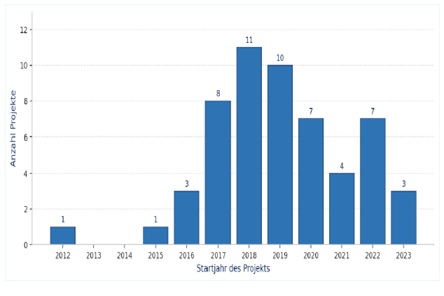
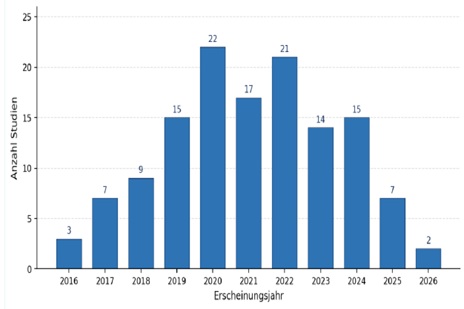
The report bundles insights from 55 practical projects and more than 130 scientific studies. Several clear trends emerge from this:
- Trust and safety play a key role. Passengers want to understand how systems work and need to feel safe within the vehicle and its surroundings.
- Service quality remains decisive. Factors such as travel time, price, reliability, and waiting time are at least as important as the level of automation.
- First impressions aren’t everything. Pilots often show positive reactions, but it remains unclear whether these hold up during daily use.
- Specific target groups require attention. In particular, the elderly and people with mobility impairments (such as within WMO transport in Helmond) are still underrepresented in existing research.
Many passengers rate their first ride in an automated shuttle as safe and interesting. At the same time, users point out areas for improvement, such as low speeds, limited availability, and the user-friendliness of booking systems. It also appears that use often stems from curiosity rather than a structural transport need.
In addition, project partners identify practical barriers, such as complex regulations, technical limitations, and the need for on-board staff for supervision. Fully driverless systems remain the exception for the time being.
Basis for follow-up research
The report forms an important first step within the FLEX project. The insights will be used to set up follow-up research in the three regions, explicitly taking local differences into account. This includes surveys, field measurements, and comparative analyses between Vechta, Helmond, and Groningen.
As such, the research forms a bridge between existing knowledge and concrete application. The coming years will reveal how automated transport develops from a promising pilot into a full-fledged part of daily public transport.
FLEX project makes solid progress with Vechta leading the way.
During the third online partner meeting on 21 May 2026, the partners in the FLEX project discussed the progress made. The overall conclusion is positive: the project is progressing according to plan, with the showcase in Vechta clearly leading the way and serving as an important reference for the further roll-out.
Development in Vechta is well on track and demonstrates how the various project components come together. Partners are working towards a high-level seminar focusing on knowledge sharing and practical experience, including a panel discussion on the procurement of autonomous vehicles.
Read more Here
Significant progress is also being made on the technical front. Preparations for the pilot are largely complete, including analyses of vehicles and infrastructure. The retrofitting of a bus is scheduled for later this year, marking an important milestone.
Several partners are currently focusing on this showcase, which contributes to the project’s visibility and impact.
In Groningen, clear steps are being taken towards the realisation of the pilot. The tender documents are being finalised and publication is expected after the summer. This will be followed by the selection of a technical supplier and an implementation phase, after which testing activities will commence.
Helmond has opted for a phased and strategic approach. By coordinating with national initiatives and securing potential additional funding, work is underway to establish a robust foundation for the pilot. Preparations for the tender will continue until the end of 2026, with follow-up steps scheduled for early 2027.
Although both processes have a longer lead time, they offer valuable opportunities for in-depth analysis and alignment with broader developments.
In addition to the pilots, the research component of the project is also proceeding according to plan. Partners are working on studies into autonomous vehicles in public transport, passenger acceptance and choice behaviour. The initial results are currently being analysed and will form an important basis for the further pilots.
Cooperation within the consortium remains strong, with active involvement from transport operators, research institutions and regional authorities.
The coming period will focus on further developing the pilots and organising joint meetings, including the high-level seminar and the partner meeting later this year.
With the progress in Vechta providing a solid foundation and further development in Groningen and Helmond, the FLEX project remains well-positioned to deliver valuable insights for the deployment of autonomous vehicles in public transport.
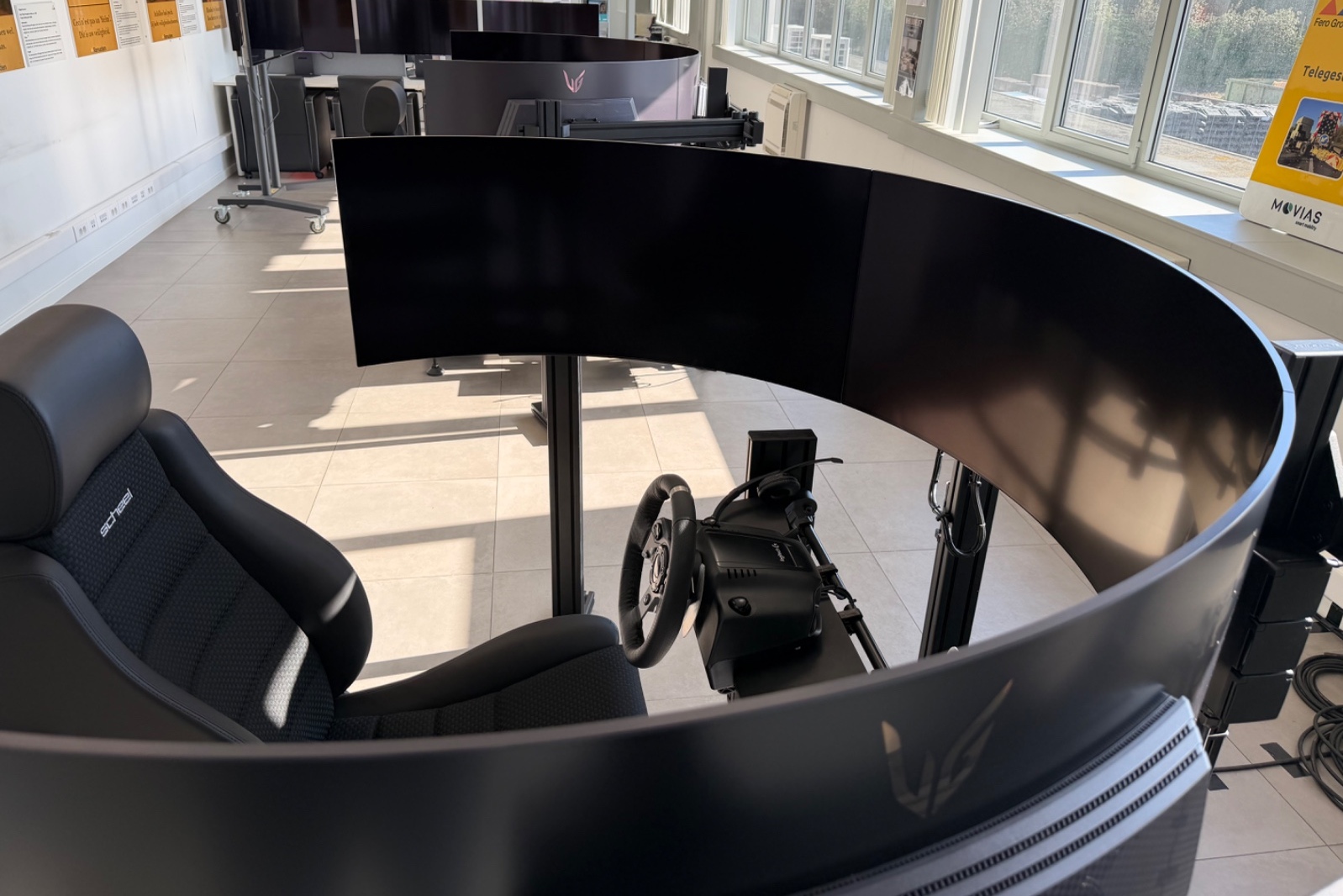
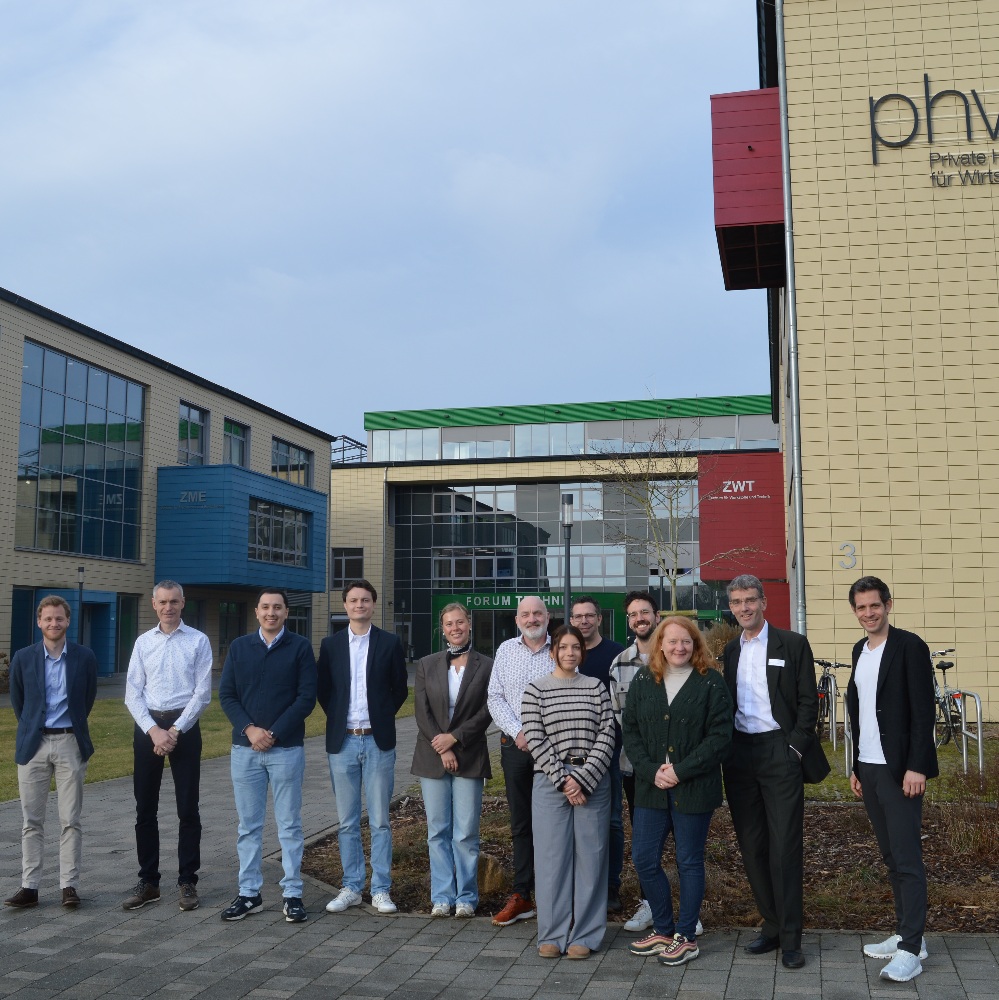
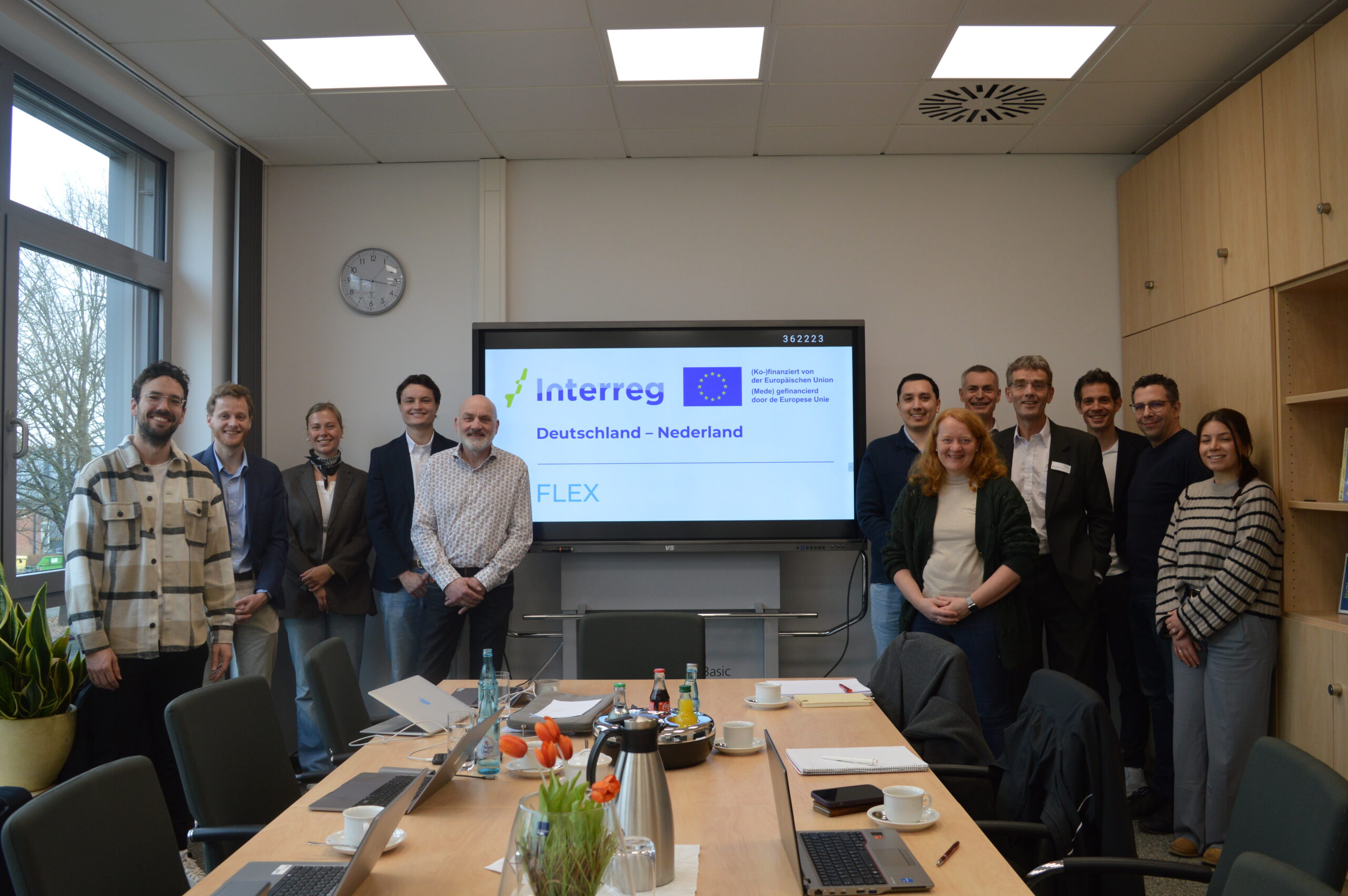
Second partner meeting emphasizes cooperation and coordination.
The FLEX Partner Meeting on February 26, 2026, was characterized by a strong sense of collaboration, shared goals, and forward-looking energy.
Throughout all sessions, the partners demonstrated a clear commitment to further developing automated transport within the border region, while simultaneously emphasizing the importance of collective learning and coordinated development. The atmosphere was constructive and open, with partners sharing updates, challenges, and ambitions in a manner that highlighted the maturity and growing cohesion of the consortium.
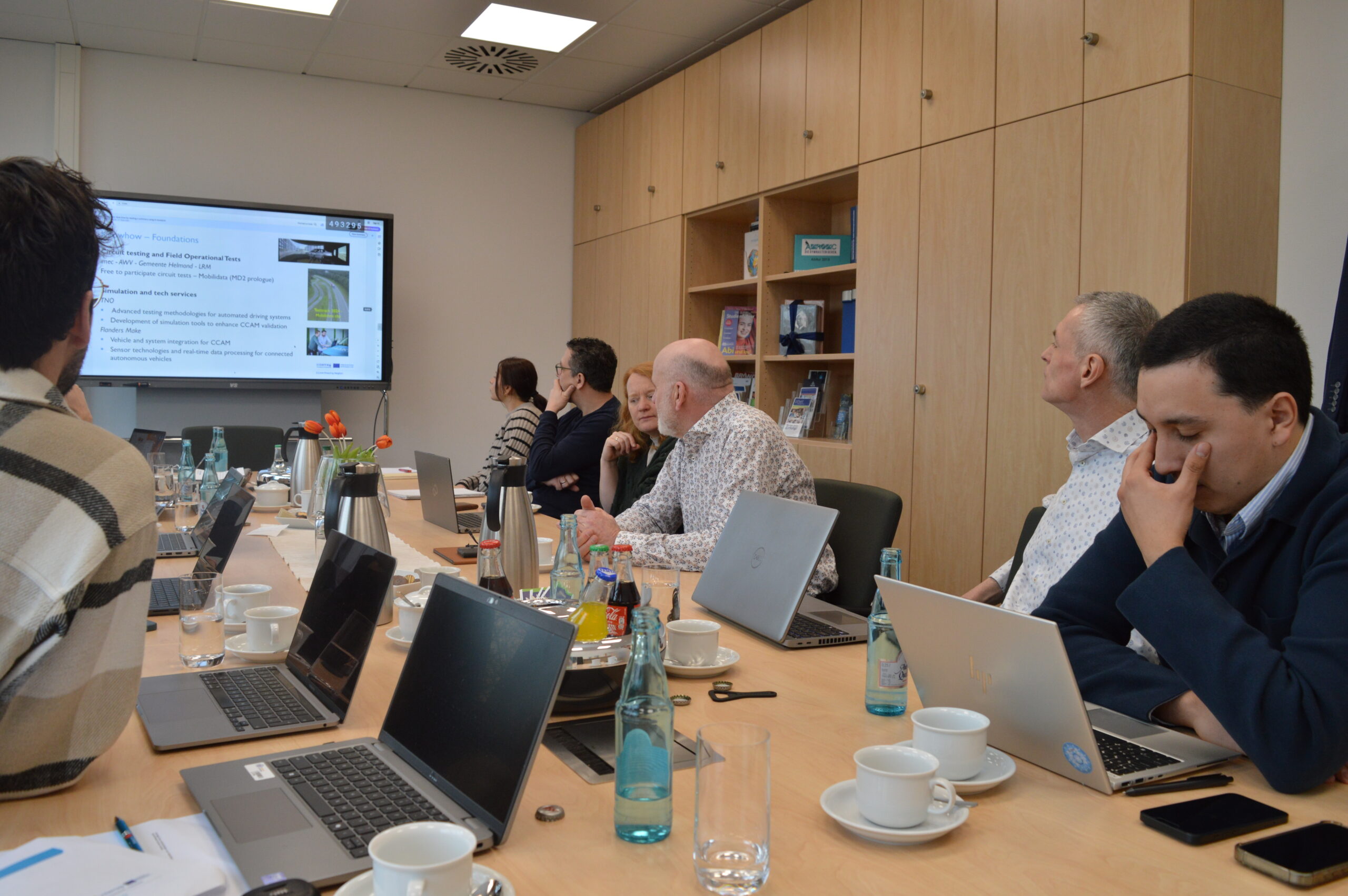
Read more Here
A key theme throughout the meeting was alignment—between pilots, authorities, research institutions, and technical suppliers. Participants stressed the need to align timelines, expectations, and communication, especially as various work packages transition from planning to execution. Despite the project’s complexity, discussions remained calm and solution-oriented, focusing on how partners can support one another in areas such as procurement, data requirements, integration into public administration, and digital simulation.
Another strong element of the meeting was the shared learning process. Partners compared experiences across locations, particularly regarding procurement strategies, interaction with certification bodies, and early research insights. This fostered a sense that everyone is contributing to and benefiting from a collective knowledge base that extends beyond individual pilots.
The tone of the meeting was also pragmatic and realistic. While partners showed enthusiasm for the opportunities offered by automated transport, they were equally open about risks, dependencies, and uncertainties. The group approached these topics constructively, identifying mitigation strategies and reaffirming the importance of transparent coordination.
Finally, the meeting conveyed a sense of momentum. With several work packages reaching crucial phases and communication efforts being scaled up, the consortium appeared more energized and better aligned. Participants concluded with a shared understanding of priorities and a reinforced commitment to achieving meaningful progress together.
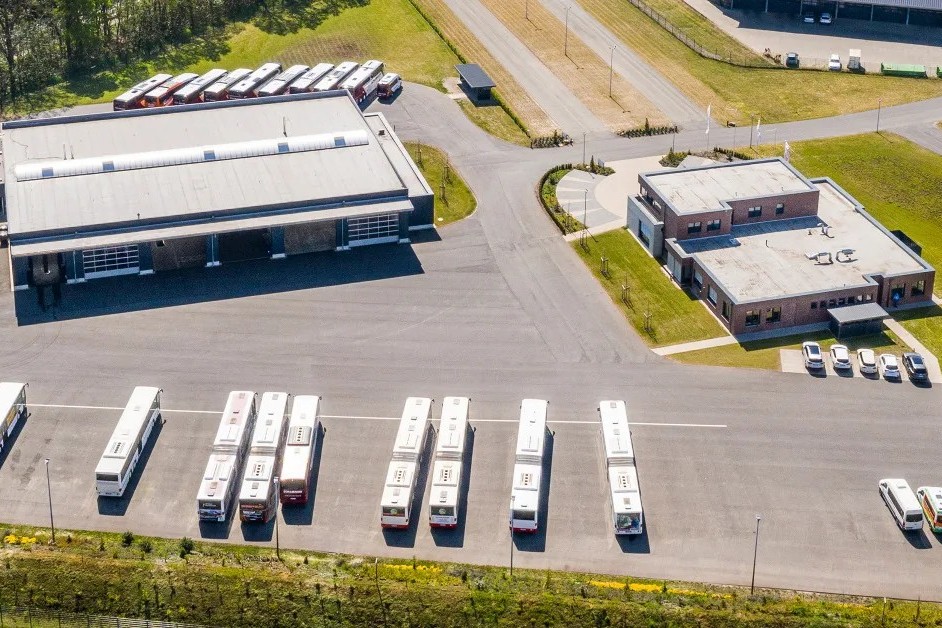
Bus for tele-operation inspected in Vechta.
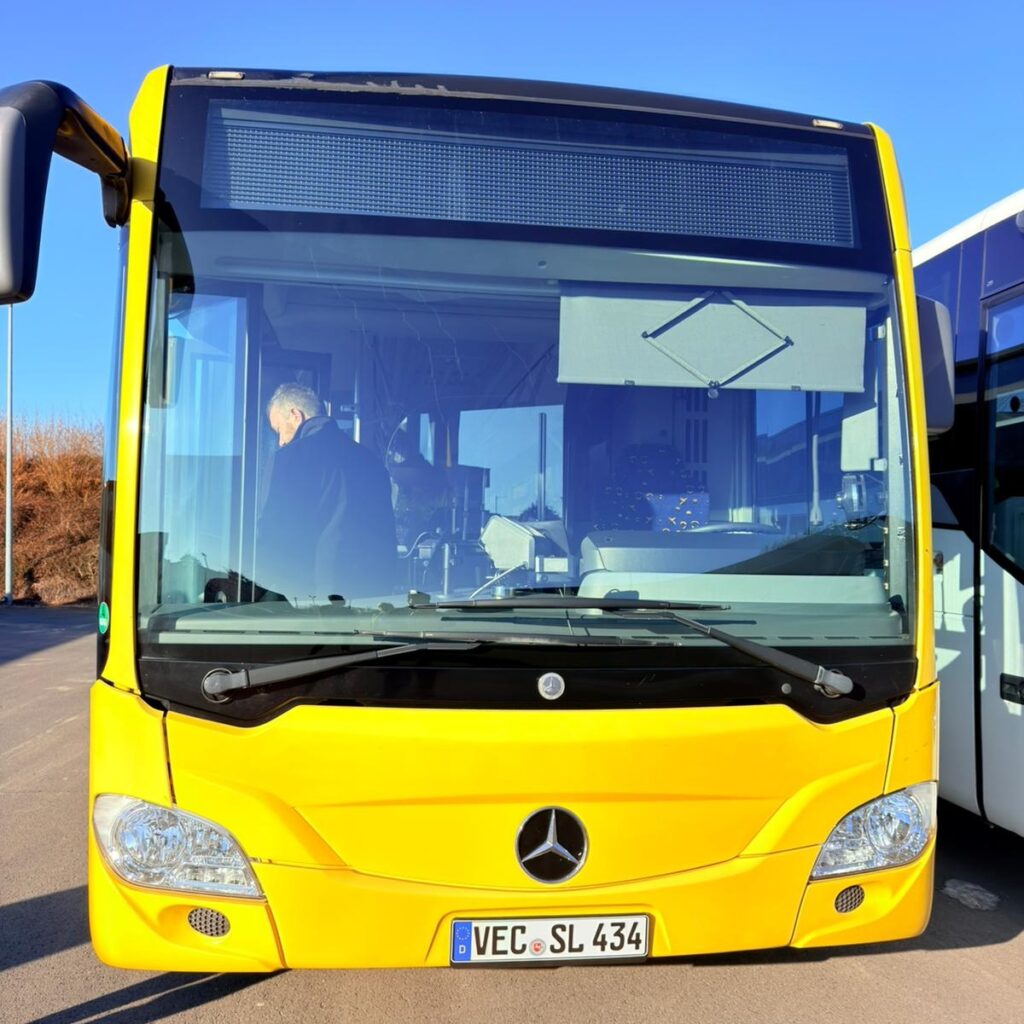
On February 25, 2026, the FLEX partners Landkreis Vechta, V-Tron B.V., and PHWT (Private Hochschule für Wirtschaft und Technik), together with project management from Bax Innovation, inspected the Schomaker Reisen GmbH bus in Vechta (D) that will be converted for tele-operation.
In addition to the inspection, all attendees were invited to drive a lap in the bus on the closed grounds of the bus depot. For most participants, this was the first time they were allowed to drive a public transport bus. An enjoyable experience!
Read more Here
FLEX responds to the growing demand for fast, reliable and affordable public transport in the Netherlands and Germany. Rising costs and a shortage of drivers are leading to the disappearance of public transport connections, especially in border regions. This results in increased car use, CO₂ emissions and social isolation.
Automated transport (AT) offers prospects. FLEX demonstrates AT in bus depots, on bus lanes and public roads in Groningen, Vechta and Helmond. The project is also working on integration into concessions and WMO transport, and on an EU guide for AT in cross-border public transport.

FLEX project brings public transport partners together on 19 November.
On Wednesday 19 November 2025, the FLEX project will organise a special online meeting where the consortium members – V-tron, the Province of Groningen, the Municipality of Helmond, Landkreis Vechta, PWHT and HAN – will get to know the 13 associated partners better.
These partners represent public transport users, authorities and providers and play a crucial role within FLEX. They offer advice, evaluate milestones and make adjustments where necessary.
Read more Here
FLEX responds to the growing demand for fast, reliable and affordable public transport in the Netherlands and Germany. Rising costs and a shortage of drivers are leading to the disappearance of public transport connections, especially in border regions. This results in increased car use, CO₂ emissions and social isolation.
Automated transport (AT) offers prospects. FLEX demonstrates AT in bus depots, on bus lanes and public roads in Groningen, Vechta and Helmond. The project is also working on integration into concessions and WMO transport, and on an EU guide for AT in cross-border public transport.
The meeting on 19 November marks an important step in the collaboration between all parties involved. Together, they are building future-proof public transport in the DE-NL programme area.

FLEX Conference Call – 23 October 2025.
On Thursday 23 October, the monthly FLEX Conference Call took place, during which the progress of the project and new developments were discussed.
The session opened with a presentation by Bax on recent innovations outside the FLEX project, with an emphasis on automation, tele-operation, governance, cross-border transport and user acceptance.
Read more Here
Work package updates
WP3 – User acceptance (PHWT):
PHWT presented their approach to the literature review on user acceptance of automated public transport. Partners are invited to provide feedback on the proposed indicators, search terms and sources before the end of October. It has been decided to exclude experiences with private vehicles such as Tesla and robot taxis.
WP4 – Digital replication (HAN):
HAN provided an overview of digital replication tools such as Carla. Four possible applications have been identified: impact analysis via digital twin, virtual process development, analysis of user experience via driving simulators, and promotional use. HAN will hold individual discussions with pilot partners to determine their preferences.
WP5 – Pilot development:
- Vechta: Visit planned with V-tron on 18 November.
- Helmond: Is organising a meeting with pilot partners on 29 October.
Advisory Board
Six organisations have confirmed their participation in the first Advisory Board meeting on 19 November.

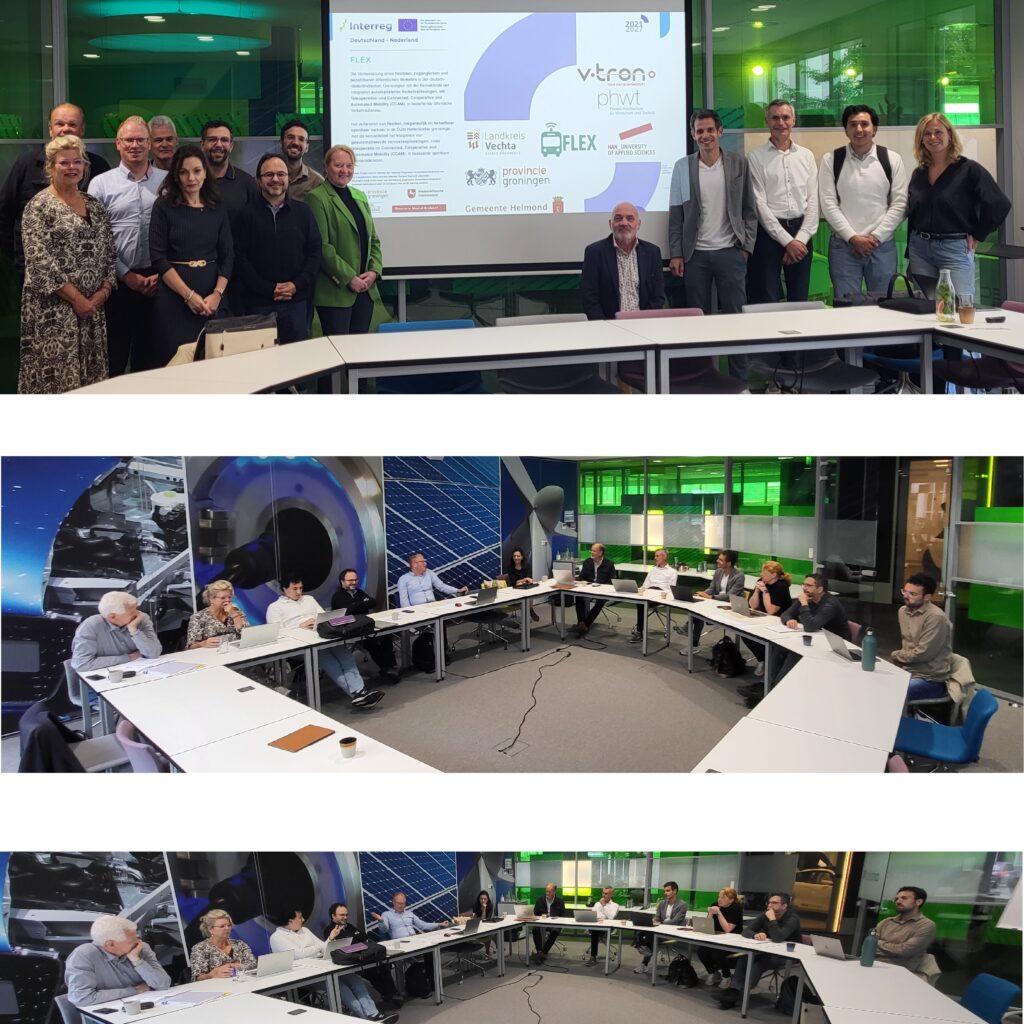
Kick-off FLEX: Active meeting with lots of energy.
On September 18, the official kick-off of FLEX, the international CCAM project, took place, with a strong focus on automated public transport. The meeting brought together all the partners involved and marked an important first step towards joint implementation.
The members of the consortium brought a lot of energy to the meeting and – if possible – returned to their organizations with even more energy to get the project started in practice.
Read more Here
The focus was discussed for each work package. These are briefly summarized below:
Passenger acceptance (WP3)
PHWT presented an initial approach to gain insight into how travelers experience automated transport. Work is being done on an overview of relevant projects and literature, with attention to themes such as safety, willingness to change, willingness to pay and inclusion of people with limited mobility. An initial Excel overview will be shared soon.
Impact assessment (WP4)
HAN emphasised the importance of defining clear objectives for the digital twins used to simulate future scenarios. These virtual models should assist in identifying barriers, training personnel, and testing software. A working session on this topic is scheduled for the next meeting.
Pilots (WP5)
Three cities presented their concrete pilot plans:
- Vechta: test on private property at Schomaker Busdepot, with physical inspection by V-tron in November.
- Helmond: a phased approach over three years, from type approval to fully autonomous operation without a driver. The route is 2.6 km with five stops.
- Groningen: deployment of an autonomous bus on a separate bus lane at the Qbuzz depot. Experience has already been gained with a vehicle from Robotuner.
Collaboration with associated partners
A separate session will be organized on November 19 to introduce these partners to the project. Each work package leader will explain their approach. Concrete contact points have already been identified per region, such as RDW and the Province of Noord-Brabant for Helmond, and Qbuzz and Hive Mobility for Groningen.
Next steps:
- Development of the implementation and risk management plan by the consortium.
- First presentation of the literature review by PHWT.
- Workshop on the virtual twins by HAN.


FLEX Kick-off: the Future of Cross-Border Public Transport Begins in Helmond
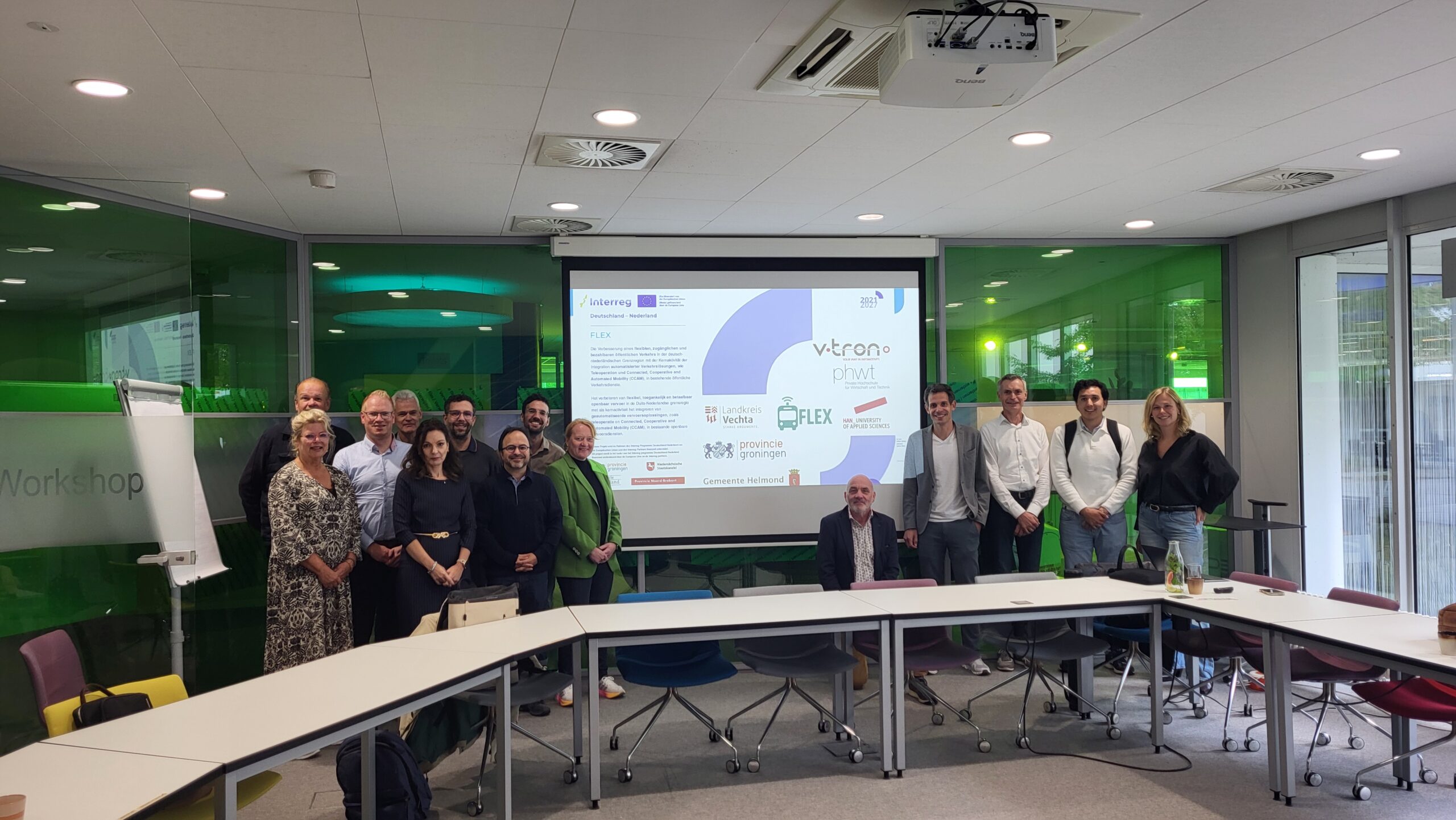
On Thursday, September 18, 2025, the Interreg Deutschland-Nederland Project FLEX will launch with an inspiring kick-off at the Automotive Campus in Helmond. This marks the beginning of an intensive three-year and seven-month research period during which FLEX will work on improving flexible, accessible, and affordable public transport in the German-Dutch border region. The focus is on integrating innovative automated transport solutions — such as tele-operation and Connected, Cooperative and Automated Mobility (CCAM) — into existing public transport services. The project aims not only to strengthen mobility in rural areas but also to contribute to a more sustainable, inclusive, and cross-border transport infrastructure.
Read more Here
In the first quarter of 2025, V-tron successfully submitted an application to Interreg Deutschland-Nederland for the FLEX project on behalf of a powerful consortium. This consortium consists of six core partners: Province of Groningen, Municipality of Helmond, Landkreis Vechta, Private University of Applied Sciences (PHWT), HAN University of Applied Sciences, and V-tron BV. They are supported by a broad network of associated partners, including public transport providers and users, reflecting the diversity of stakeholders involved.
FLEX aims to strengthen cooperation between the Netherlands and Germany in the field of automated transport (AV). This will be achieved, among other things, through the establishment of an international working group bringing together all relevant stakeholders, removing barriers to AV, and developing a practical governance guide that is also applicable in other European border regions.
The project will take tangible form through demonstrations with adapted public transport buses in Groningen, Helmond, and Vechta. These buses will operate at TRL level 7/8 and will be tested at bus depots, special bus lanes, and rural routes. Moreover, the collaboration between the three cities will lead to the integration of AV into local governance models and the development of Europe’s first guide for AV governance models.
By investing in more efficient, accessible, and sustainable public transport, FLEX contributes to a higher quality of life for residents of rural areas. The project helps combat transport poverty, prevent socio-economic isolation, and structurally improve mobility and connectivity in the border region.
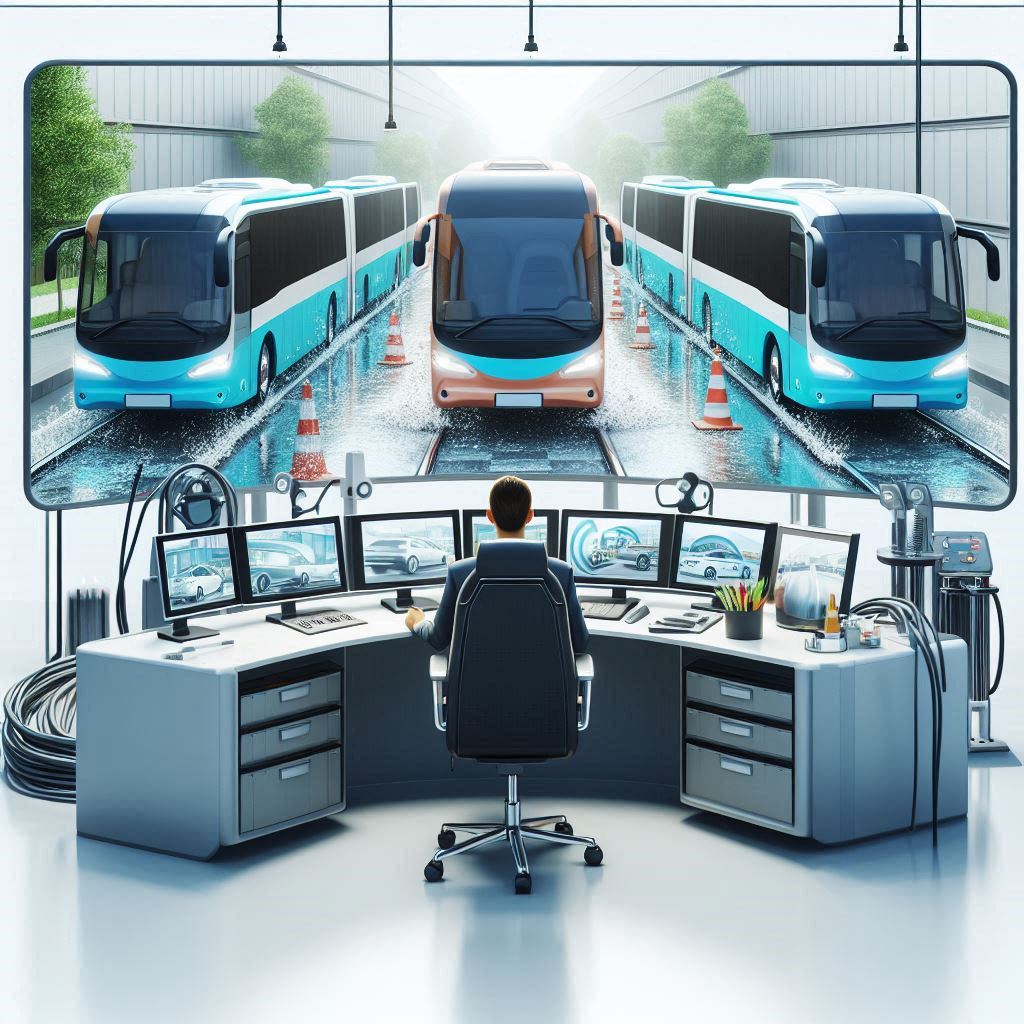
FLEX, Tele-Operation Creates many Opportunities.
On June 19, 2025, Project FLEX kicked off with an initial internal meeting of the consortium partners.
Following approval in May, the official start date was June 1, 2025, and with a duration of three years and seven months, it will thus end on December 31, 2028.
The aim of FLEX is to use automated transport (AV) to respond to the growing demand from citizens for more sustainable, affordable, accessible, and inclusive public transport in the German-Dutch program area of Interreg Deutschland Nederland and border region.
Read more Here
FLEX will demonstrate how AV in bus depots and first-last mile solutions can reduce costs and alleviate pressure on drivers, allowing for additional and more flexible public transport to be deployed to reduce transport poverty.
Additionally, FLEX investigates how AV can be integrated into governance models of transport authorities to introduce AV on a larger scale in public transport.
With these solutions, FLEX aims to be an example for all border regions in the EU.
A preliminary study has shown that the deployment of AV has a potential saving of around €61 million on Dutch bus depots alone.
This could include the possible additional deployment of transport capacity in rural areas to reduce transport poverty. FLEX will transfer the monotonous work of drivers at bus depots – collecting parking buses, driving through the car wash, moving buses for electric charging – to tele-operators and algorithms.
The consortium partners within the FLEX project are:
- V-tron BV – lead partner
- Province of Groningen
- Landkreis Vechta
- Municipality of Helmond
- Private University of Applied Sciences (PHWT)
- HAN University of Applied Sciences
Associated partners will include RDW, Qbuzz, Wilmering Gruppe, Schomaker Reisen, Deutsche Bahn, Der BDO, Arriva, Province of North Brabant, PRO BAHN, Rover, DOVA, and Future Mobility Partnership e.V.

FLEX is an Interreg VI project, co-financed by the European Union, through the INTERREG Deutschland-Nederland program, the Lower Saxony State Chancellery, the Province of Gelderland, the Province of North Brabant, and the Province of Groningen. The project has a budget of €2,130,465.68 and runs from June 2025 to December 2028.


